










Incense for meditation: which ones to choose, how to use them and why they can transform your practice
When it comes toincense for meditation, many only think about perfume, in reality incense is a tool: a sensory activator that prepares the mind and body for presence.
Meditation can be done anywhere, even in total silence. But creating a ritual helps the brain to enter the meditative state more quickly. This is where it comes inthe'incense for meditation, especially when the goal is to create a space of deep relaxation or stable concentration.
In this guide you will discover:
-
what are the best incense for meditation
-
which fragrances they favor relaxation and concentration
-
how to choose quality natural incense
-
how to use incense during meditation
Why use incense during meditation?
Smell is the sense most directly connected to the limbic system, the part of the brain that manages emotions and memory.This makes an almost immediate change of internal state possible:the mind slows down, the body relaxes and attention becomes more stable.
The lighting of incense acts on three levels:
1. Physiological level
Some aromatic molecules affect breathing and heart rate. Woody and balsamic aromas tend to slow down the breathing rate, favoring more stable diaphragmatic breathing. This helps the parasympathetic nervous system to activate, bringing the body into “rest and recovery” mode.
2. Psychological level
The scent delimits the space: it interrupts the continuity with what you were doing before. This step is fundamental:the mind needs a symbolic threshold to truly enter a different state.
3. Ritual level
Always repeat the same gesture– light incense, sit, breathe –creates coherence. The brain learns to recognize it as signal of “return to self”. After a few weeks you will notice that entering the meditative state will be a much faster process.
Real benefits of incense in meditation

If chosen carefully and used correctly, incense can support meditation practice, particularly in meditation sessions mindfulness meditation or in conscious breathing practices.
Incense in these cases can:
-
Facilitate the activation of the parasympathetic system
Natural woody or balsamic aromas promote slower and deeper breathing, helping the body enter a state of calm and recovery. -
Reduce the stress activation threshold
A sensorially coherent environment communicates safety to the nervous system, helping to reduce tension and mental agitation. -
Improve consistency of practice
Always repeating the same gesture before meditating creates a recognizable sequence that reduces initial resistance and facilitates habit. -
Create a stable sensory anchor
With regular use, the perfume is associated with a meditative state and helps the body to slow down more quickly. -
Strengthen the sense of rituality
Integrating incense into your practice makes the moment more intentional and less improvised, sustaining discipline over time.
The best incense for meditating
It's not just a matter of “I like it or I don't like it”. Each fragrance works on different energies.
Here are the most suitable:

Sandalwood: stability and rooting
Sandalwood contains aromatic compounds such as Santalolo, that produce a stabilizing and slightly sedative effect on the nervous system.
It is particularly suitable when:
-
the mind is scattered
-
you struggle to stay focused
-
meditation tends to become too mental
Its woody aroma favors a perception of solidity. It is one of the most suitable incenses for long and structured meditations.
Lavender: modulation of anxiety
Lavender is known for its effect mood regulator. It doesn't "turn off" the mind, but softens it.
It is indicated when:
-
you are in a state of agitation
-
you have repetitive thoughts
-
you feel emotionally contracted
In meditation it helps to lower the initial tension threshold,facilitating entry into silence.
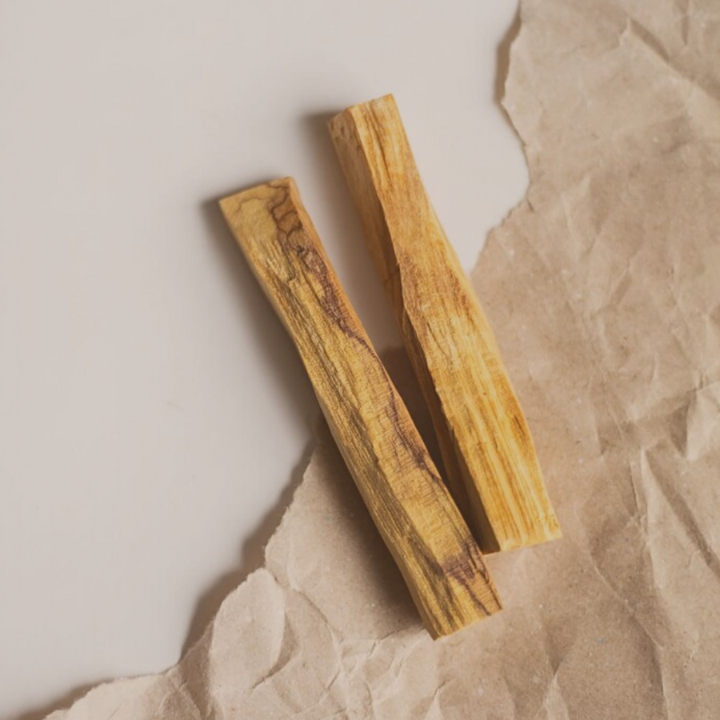
Palo Santo: rebalancing the environment

The Palo Santo is traditionally used for a harmonize spaces and promote a feeling of energetic purification before meditation. Its aroma has a resinous and slightly citrus component which acts as a "sensory reset".
It is useful when:
-
you go into meditation after a busy day
-
the space feels heavy
-
you want to mark a new beginning
Attention: the quality of the wood is fundamental. It must come from ethical harvesting and not from forced cutting.
On our shop you will find authentic certified Palo Santo of the highest quality, rich in essential oils inside.
Jasmine: emotional openness
Jasmine stimulates emotional expansion, making meditation less rigid and more receptive.
Indicated for:
-
meditations on the heart
-
compassionate practices
-
I work on held emotions
If you want to work on pure focus, it is better to opt for woody and rooting fragrances: jasmine instead tends to open your heart and make meditation more emotional.
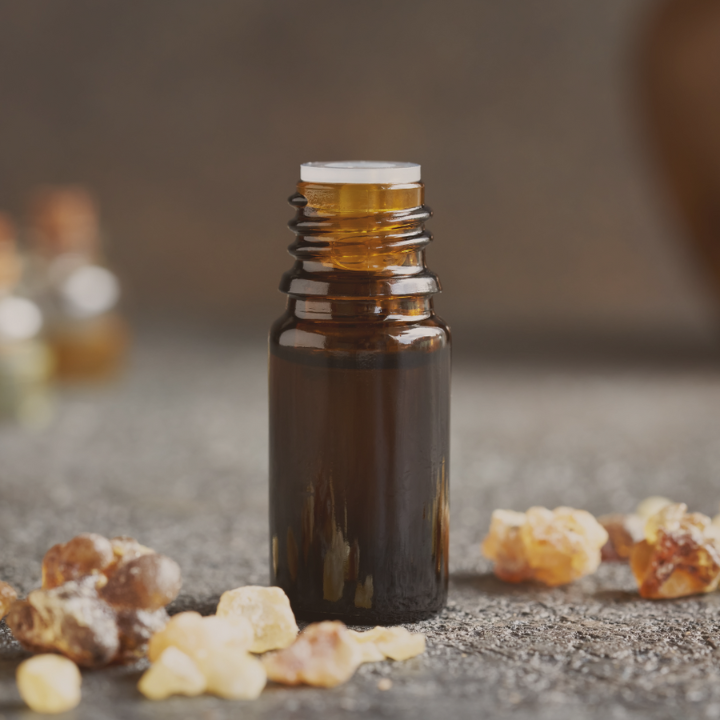
Myrrh and Olibanum resins: contemplative depth
Natural meditation resins release a thicker aroma,creating an intimate and spiritual atmosphere that invites deep meditation.
They are suitable when:
-
you want a more immersive experience
-
work on introspection
-
practice meditation in prolonged silence
Resins require more careful use, especially when they are burned in grains on charcoal, as high heat can greatly intensify the smoke. If dosed carefully, however, they allow you to perceive the aroma in its most authentic form.
How to use incense to meditate mindfully

Incense should not be the protagonist of the practice, but its context.
When it becomes too present, it distracts rather than supports.
The most common mistake is saturating the environment, thinking that a more intense aroma makes meditation more effective. In reality, excessive smoking stimulates the nervous system rather than calming it.
1. Prepare the space
Light the incense a few minutes before starting.
This allows the aroma to spread naturally and creates a transition between daily activity and the meditative moment.
It is important that the room is slightly ventilated: the air must circulate, not stagnate.
2. Measure the intensity
Incense should:
-
accompany the breath
-
don't overdo it
-
Don't become the center of attention
If the scent is so strong that it continually imposes itself on your perception, you are using too much.
A good reference is this:after a few minutes you should almost no longer "feel" it actively, but perceive it as part of the environment.
3. Don't turn it into an object of concentration
Unless you are practicing a specific meditation on smell,the aroma should remain in the background, like a delicate sound base.
The mind must not cling to the scent.Incense is a support, not the focal point.
4. Integrate the gesture into the ritual
Lighting incense can become an act of intention:as you turn it on, you can internally formulate the purpose of your practice.
Over time, this simple gesture becomes a threshold. The body recognizes this and begins to naturally lower the activation level.
Frequently asked questions about meditation incense
Does incense really help you meditate better?
It may help, but it is not what determines the quality of the meditative experience.The aroma facilitates the transition to a state of calm and can make it easier to get into practice, especially if used consistently. However, depth always depends on attention and presence.
Is it useful to light incense even for short meditations?
Yes, even for 5–10 minute sessions.
The important thing is not the duration, but the ritual. Lighting incense can become a gesture that marks the beginning of the practice, regardless of the time available.
Is sticks, cones or resins better for meditating?
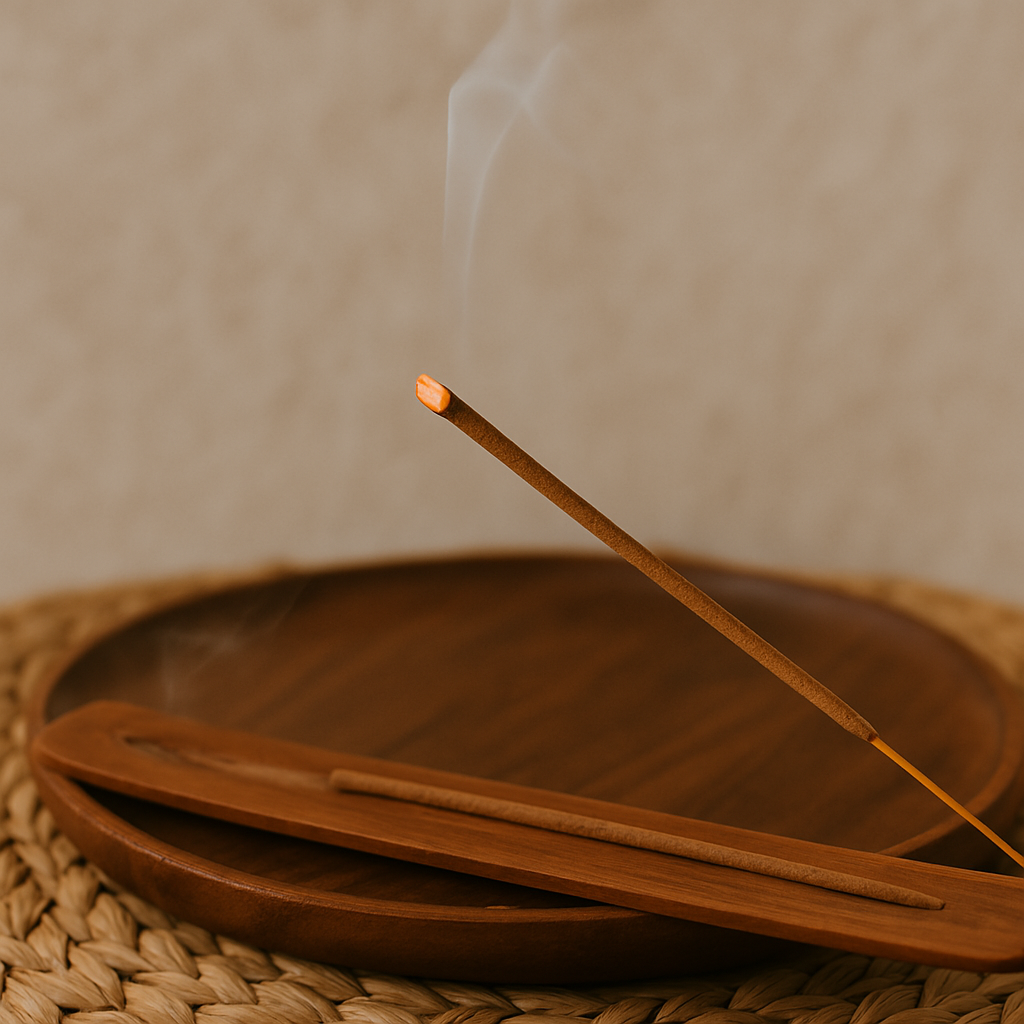
For daily practice,natural sticks are the simplest solution and stable.
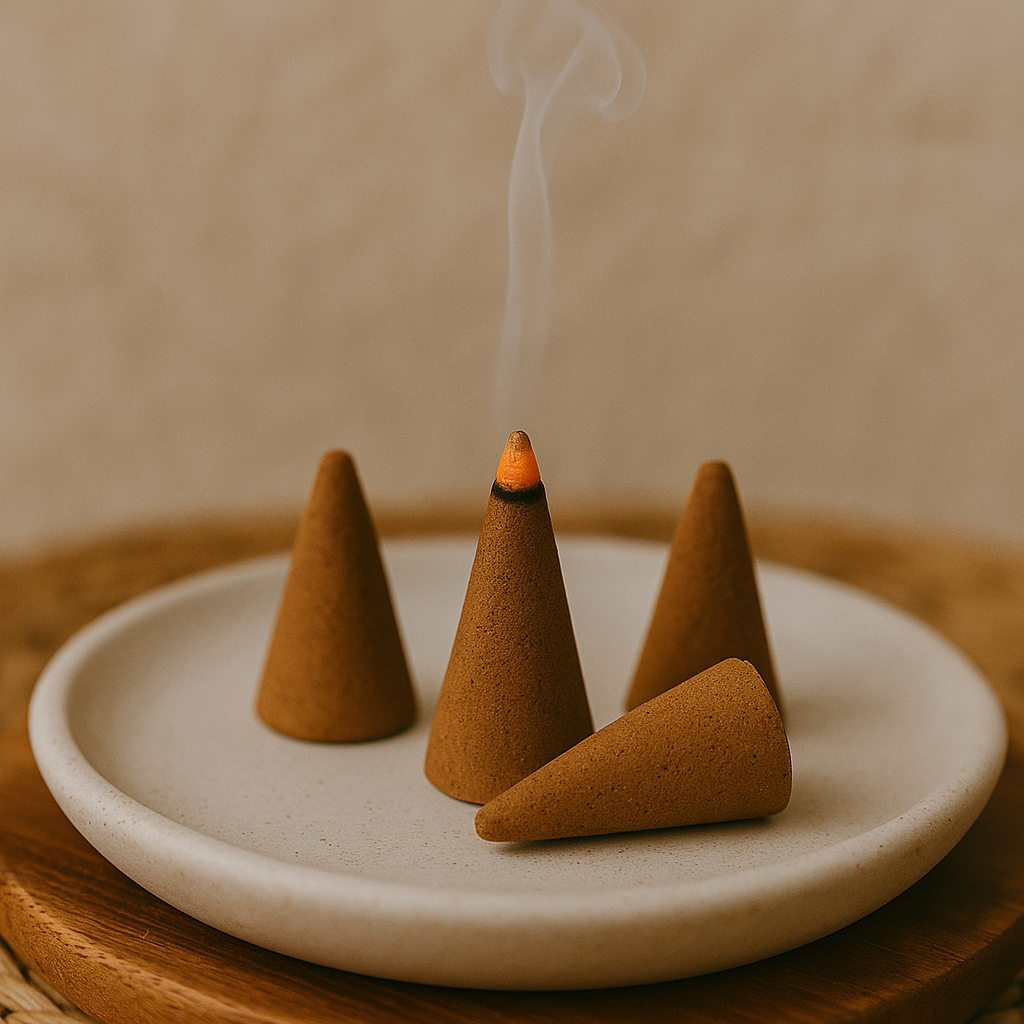
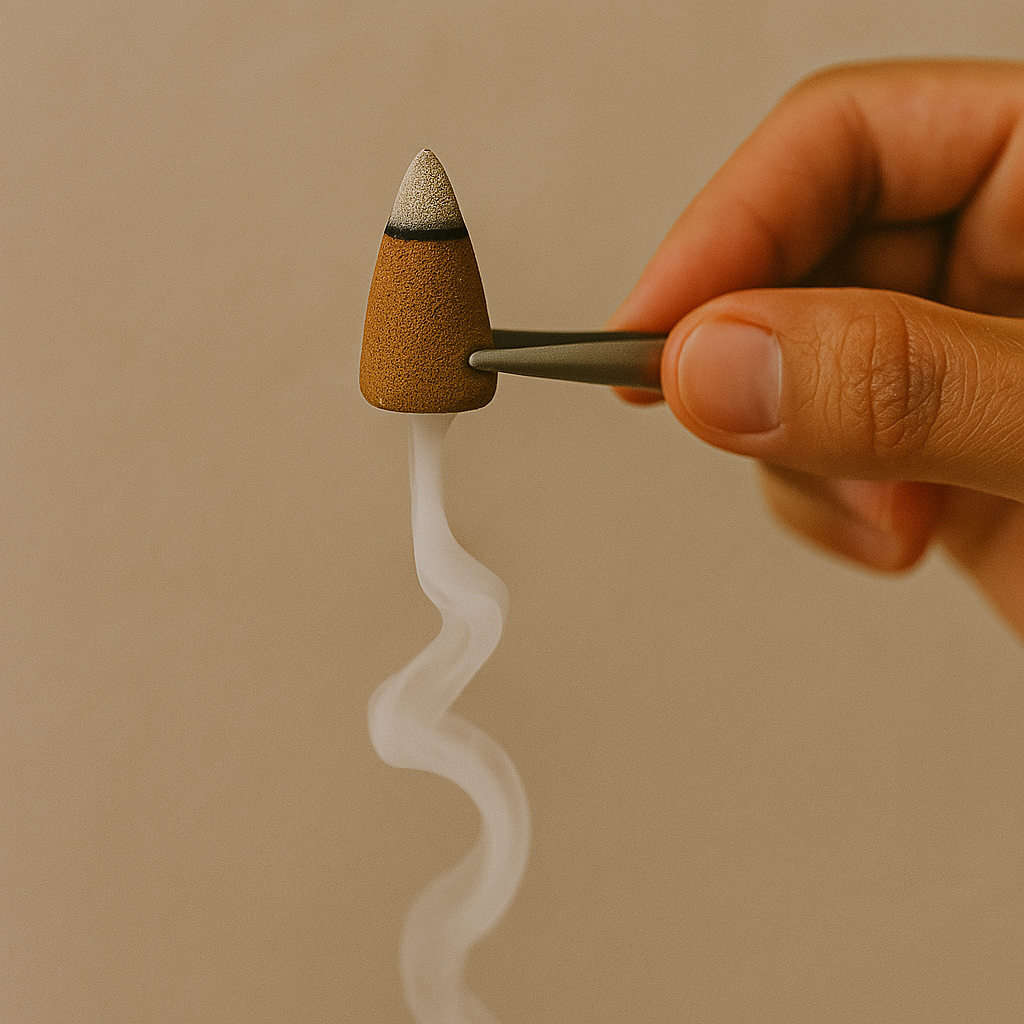
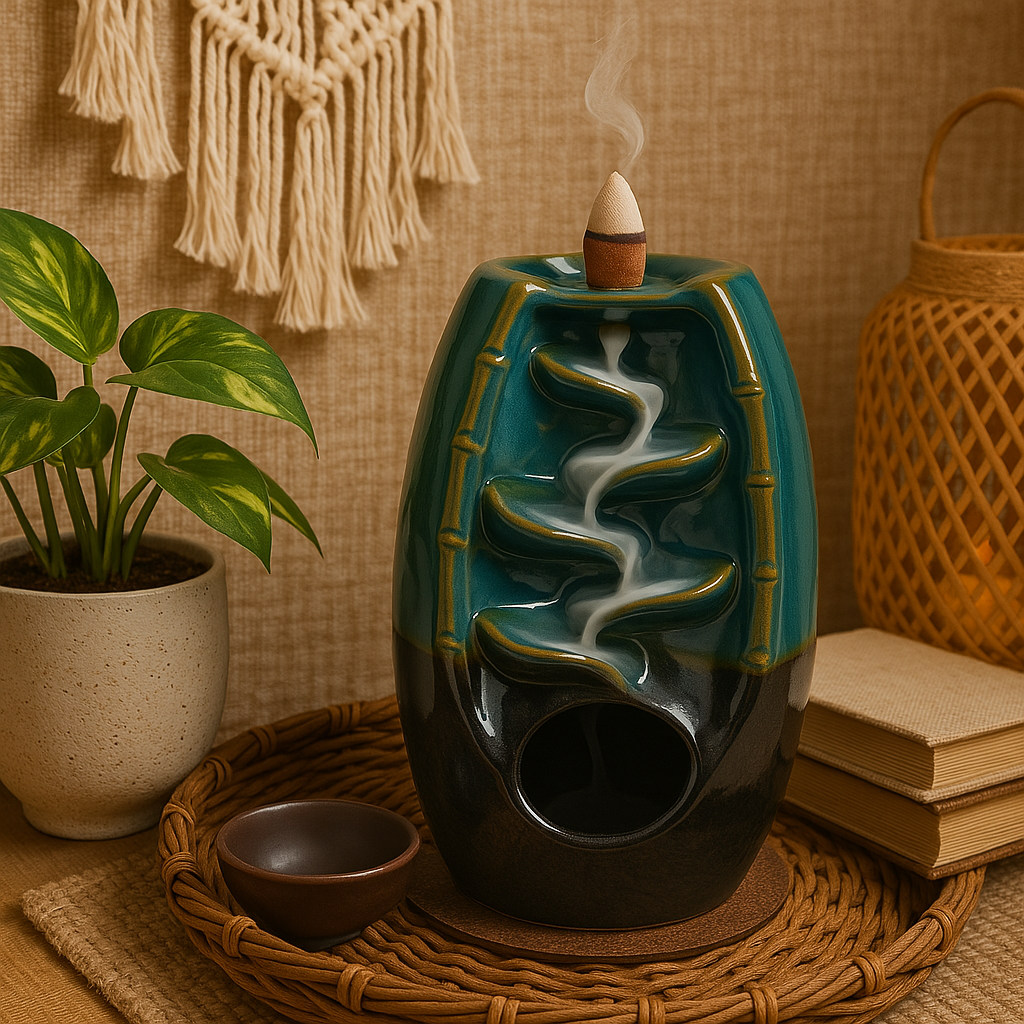
Cones are more intense and suitable for short sessions.
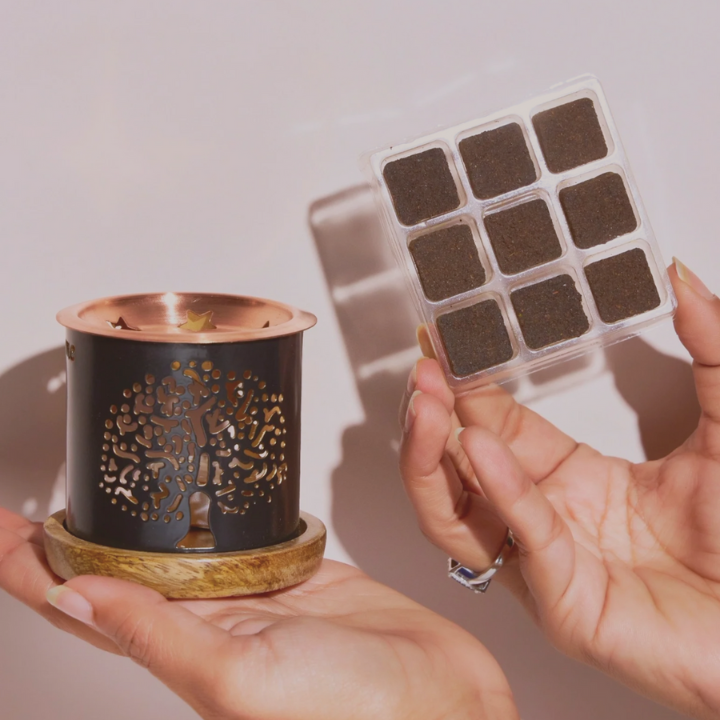
Resins offer a purer and more ritualistic experience, but require more care in use.
How much incense to use during meditation?
A moderate amount is sufficient.
Only one stick per session it is more than adequate. If you use resins,a few grains are enough. The aroma should be perceptible but not dominant.
Where to find natural incense to meditate?
If you choose to integrate incense into your practice, it is important to rely on a truly natural artisanal incense, composed of pure raw materials and free of invasive synthetic fragrances.
On our shopThe House of Incense you will find a selection of incenses designed specifically to accompany meditation:artisan sticks, traditional blends and pure resins, chosen to offer a balanced and not excessive experience.
The goal is not to fill the environment with smoke, but to create a harmonious context that supports silence and presence.

'%3e%3cg id='Final-Copy-2_2_' transform='translate(1275.000000, 200.000000)'%3e%3cpath class='st0' d='M7.4,12.8h6.8l3.1-11.6H7.4C4.2,1.2,1.6,3.8,1.6,7S4.2,12.8,7.4,12.8z'/%3e%3c/g%3e%3c/g%3e%3c/g%3e%3cg id='final---dec.11-2020'%3e%3cg id='_x30_208-our-toggle' transform='translate(-1275.000000, -200.000000)'%3e%3cg id='Final-Copy-2' transform='translate(1275.000000, 200.000000)'%3e%3cpath class='st1' d='M22.6,0H7.4c-3.9,0-7,3.1-7,7s3.1,7,7,7h15.2c3.9,0,7-3.1,7-7S26.4,0,22.6,0z M1.6,7c0-3.2,2.6-5.8,5.8-5.8 h9.9l-3.1,11.6H7.4C4.2,12.8,1.6,10.2,1.6,7z'/%3e%3cpath id='x' class='st2' d='M24.6,4c0.2,0.2,0.2,0.6,0,0.8l0,0L22.5,7l2.2,2.2c0.2,0.2,0.2,0.6,0,0.8c-0.2,0.2-0.6,0.2-0.8,0 l0,0l-2.2-2.2L19.5,10c-0.2,0.2-0.6,0.2-0.8,0c-0.2-0.2-0.2-0.6,0-0.8l0,0L20.8,7l-2.2-2.2c-0.2-0.2-0.2-0.6,0-0.8 c0.2-0.2,0.6-0.2,0.8,0l0,0l2.2,2.2L23.8,4C24,3.8,24.4,3.8,24.6,4z'/%3e%3cpath id='y' class='st3' d='M12.7,4.1c0.2,0.2,0.3,0.6,0.1,0.8l0,0L8.6,9.8C8.5,9.9,8.4,10,8.3,10c-0.2,0.1-0.5,0.1-0.7-0.1l0,0 L5.4,7.7c-0.2-0.2-0.2-0.6,0-0.8c0.2-0.2,0.6-0.2,0.8,0l0,0L8,8.6l3.8-4.5C12,3.9,12.4,3.9,12.7,4.1z'/%3e%3c/g%3e%3c/g%3e%3c/g%3e%3c/g%3e%3c/svg%3e) Le tue preferenze relative alla privacy
Le tue preferenze relative alla privacy